A Complete Guide to PCOS/PMOS Coaching, Fertility, and Long Term Health
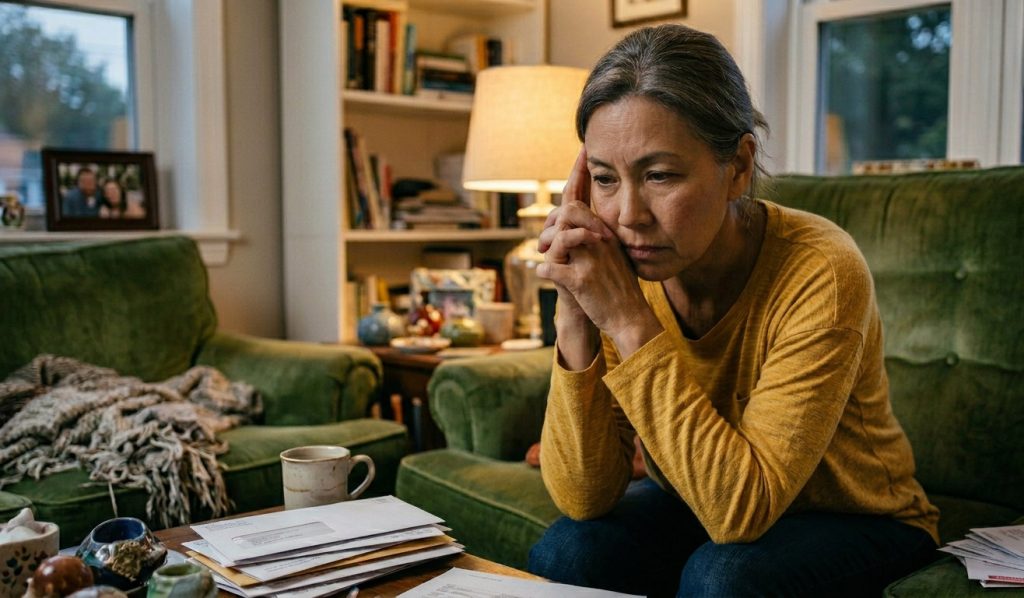
When many women are diagnosed with PCOS/PMOS, the appointment is often short.
A diagnosis is given.
Maybe medication is discussed.
Maybe weight loss is mentioned.
And then many women leave wondering:
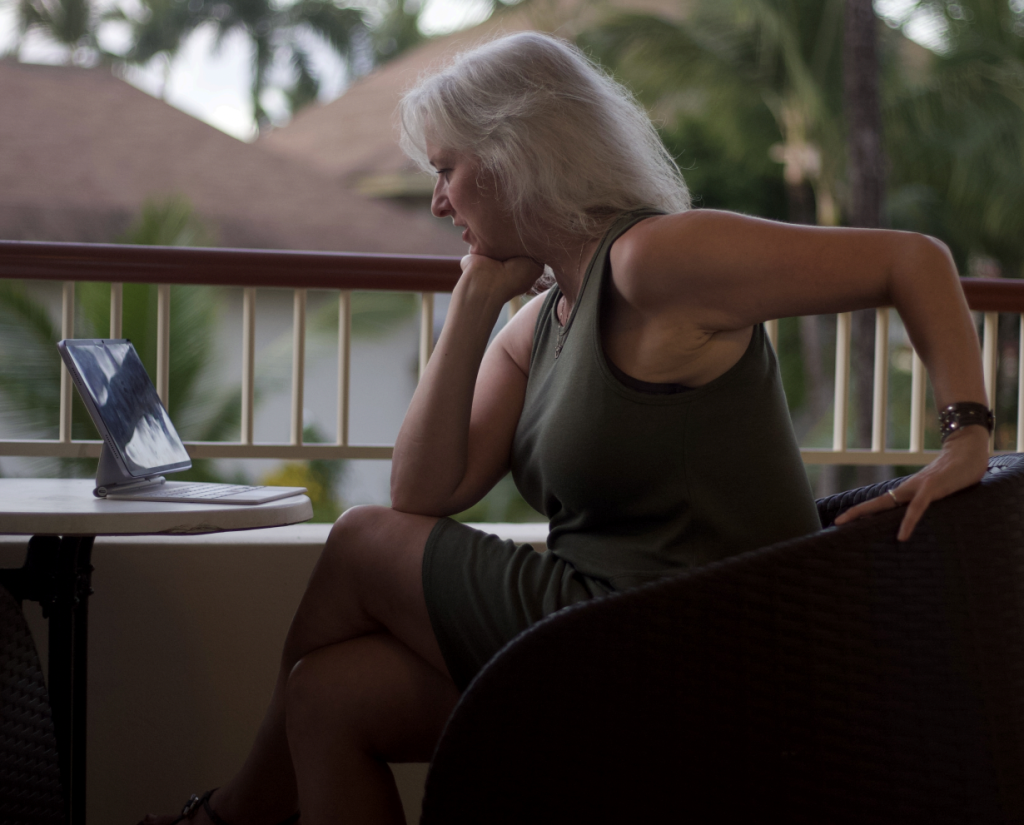
What does this actually mean for my body and my future?
PCOS/PMOS is one of the most common endocrine conditions affecting women, yet many people feel they are left to figure it out on their own.
A PCOS/PMOS coach helps women with polycystic ovary syndrome better understand their condition and build sustainable strategies for managing symptoms, lifestyle patterns, and long-term health.
Through Fusion Health Coaching, my goal is to help women with PCOS/PMOS feel less overwhelmed, more informed, and more confident navigating their health journey.
In This Blog
In this blog, we’ll explore:
• What a PCOS/PMOS coach does
• How PCOS/PMOS coaching is different from medical care
• Why PCOS/PMOS care needs to look beyond hormones
• The Fusion PATHWAY approach
• PCOS/PMOS and fertility
• PCOS/PMOS later in life and long-term health
• How to know if PCOS/PMOS coaching may be helpful for you
• What working together looks like
What Is a PCOS/PMOS Coach?
A PCOS/PMOS coach is a trained professional who supports women already diagnosed with polycystic ovary syndrome as they navigate the lifestyle, behavioral, and metabolic aspects of the condition.
Doctors diagnose and treat medical conditions.
Coaches help women translate information into practical daily habits and long-term strategies .
PCOS/PMOS coaching often focuses on areas such as:
Understanding how PCOS/PMOS affects the body
Building sustainable health habits
Reducing overwhelm from conflicting advice
Supporting lifestyle patterns that influence metabolic health
Helping women feel supported rather than alone
For many women, coaching becomes the bridge between medical care and everyday life .
Doctor vs PCOS/PMOS Coach: Understanding the Difference
Both roles are important and often work best together.
Medical care and coaching serve different roles, but they can complement each other in powerful ways.
Why PCOS/PMOS Care Needs to Look Beyond Hormones
PCOS/PMOS is often described as a hormone condition.
Hormones are certainly part of the story.
But focusing only on hormones can miss the bigger picture.
PCOS/PMOS is closely connected to metabolic health, inflammation, and the way the body processes energy and stress over time.
Women with PCOS/PMOS have higher risks for conditions such as:
Insulin resistance
Type 2 diabetes
Cardiovascular disease
Sleep apnea
Depression
Anxiety
Long-term metabolic health challenges
This does not mean those outcomes are inevitable.
But it does mean that understanding your body earlier and learning how to support your health can make a meaningful difference.
Across the research literature, one message appears consistently: lifestyle patterns play an important role in how PCOS/PMOS is experienced and managed.
Areas such as sleep, stress, nutrition, movement, and metabolic health can influence symptom patterns and long-term wellbeing.
These connections also extend to areas of health that are sometimes overlooked in PCOS/PMOS conversations, including oral health and airway health , which are closely tied to inflammation, metabolic health, and sleep quality.
Understanding these broader connections is one reason a whole-body perspective can be so helpful when navigating PCOS/PMOS.
That does not mean lifestyle changes cure PCOS/PMOS.
PCOS/PMOS is considered a lifelong condition.
But understanding how daily habits influence the body can help many women improve symptom management and feel more in control of their health.
PCOS/PMOS care is not about chasing perfect.
Because there is no such thing.
Hormones shift throughout life. The goal is learning how to support your body so those systems work together in a healthier way over time.
PCOS/PMOS care is also not about following the latest social media trend.
PCOS/PMOS is a lifelong condition. It can be managed, and many women find that understanding their body and building supportive habits changes how they experience their health.
The Fusion PATHWAY Approach
Because PCOS/PMOS affects far more than one system in the body, the way I approach coaching reflects that complexity.
I call this approach, the Fusion PATHWAY .
The idea behind the Fusion PATHWAY is that PCOS/PMOS rarely exists in isolation. Hormones, metabolism, inflammation, stress, sleep, lifestyle patterns, and long-term health often interact in ways that are not always explained clearly.
Rather than focusing on one symptom at a time, the Fusion PATHWAY helps women look at the bigger picture of their health .
It is not a rigid program or one-size-fits-all system. Every woman’s health history, lifestyle, and priorities are different.
For some women the conversation may focus more on metabolic health and energy patterns.
For others it may involve stress, sleep, fertility questions, or navigating PCOS/PMOS during different life stages.
The goal is not to force everyone into the same plan.
The goal is to help each woman better understand her body, her patterns, and the choices that support her health over time.
Do I Need a PCOS/PMOS Coach?
Many women ask this question after their diagnosis.
Some feel comfortable managing things on their own. Others feel overwhelmed by the amount of conflicting advice surrounding PCOS/PMOS.
A PCOS/PMOS coach can be helpful when you want guidance connecting the many pieces of your health together.
Instead of trying to sort through endless information online, coaching provides support in understanding your body, recognizing patterns, and building sustainable strategies that fit your life.
For many women, coaching becomes valuable when they are ready to move from constantly searching for answers to creating a clearer path forward.
How Do You Know If You’re Ready for PCOS/PMOS Coaching?
Many women who eventually find PCOS/PMOS coaching have already tried many things.
Different diets.
Different supplements.
Advice from social media and online forums.
Some things may have helped for a while.
Other things may have made the journey more confusing.
Over time many women reach a point where they realize they do not just need more information. They need someone to help them make sense of it all.
You might be ready for PCOS/PMOS coaching if:
You were diagnosed with PCOS/PMOS but never really felt like anyone explained what it means for your body.
You have tried different approaches you found online but feel overwhelmed by conflicting advice.
You want to understand what PCOS/PMOS means for you, your body, and your life. You feel like you have been piecing together your health journey on your own. You want guidance building sustainable habits that support long-term health. Coaching is not about perfection.
It is about learning how to work with your body rather than constantly feeling like you are fighting against it.
PCOS/PMOS and Fertility: A Conversation Many Women Face
For many women, fertility becomes part of the PCOS/PMOS conversation.
Some women discover they have PCOS/PMOS while trying to conceive. Others are told early in life that pregnancy may be difficult.
That conversation can be emotional.
PCOS/PMOS can influence ovulation patterns and hormonal signaling, which may affect fertility for some women.
But fertility journeys with PCOS/PMOS are incredibly individual.
Some women conceive naturally.
Some require medical support.
Some simply need time and guidance.
A PCOS/PMOS diagnosis is not the end of the fertility conversation.
It is the beginning of understanding how your body works.
This topic is also personal for me. I know what it feels like to hear that pregnancy may not be possible and to navigate the uncertainty that comes with that.
Those experiences shaped the way I approach coaching today.
Women deserve accurate information, realistic expectations, and support as they navigate their fertility journey.
PCOS/PMOS Later in Life: It Does Not Simply Go Away
Another common misconception is that PCOS/PMOS disappears with age.
It does not.
PCOS/PMOS is considered a lifelong metabolic and endocrine condition. The way symptoms appear may shift during different life stages, but the underlying patterns remain.
As women move into perimenopause and menopause, conversations about health may shift toward areas such as:
Energy
Sleep
Weight changes
Metabolic health
Cardiovascular health
Personally, this stage of life is also when my own health story became more complicated.
It reinforced something I now share often with clients: understanding your body earlier can make navigating later stages of life much easier.
PCOS/PMOS may remain part of the story, but the way we support our health can evolve. My Training in PCOS/PMOS and Health Coaching
My approach to PCOS/PMOS coaching and lifestyle support for women with PCOS/PMOS combines clinical experience, professional education, and lived experience.
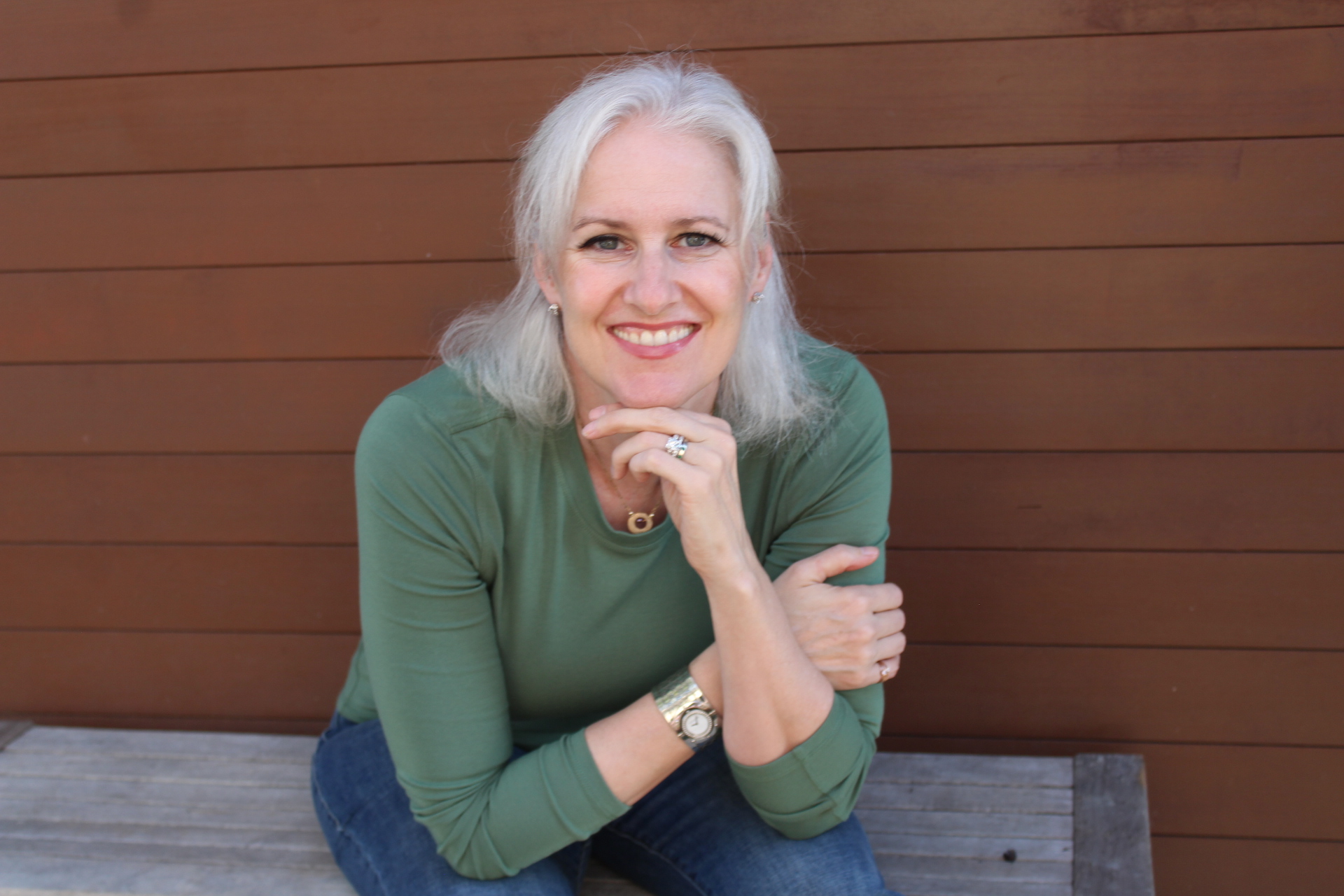
I am a Certified Health Coach through the National Society of Health Coaches and a Registered Dental Hygienist with more than twenty years of experience. I am also a Fellow of the American Academy for Oral Systemic Health and a Fellow of the American Dental Hygienists’ Association. In addition, I serve as Co Director of Programs and Advocacy for the PCOS/PMOS Awareness Association.
Because PCOS/PMOS is complex and often misunderstood, I have pursued additional professional education focused specifically on PCOS/PMOS. This includes advanced coursework designed for healthcare professionals by leading experts in endocrinology and nutrition covering topics such as PCOS/PMOS, insulin resistance, infertility, metabolic health, and lifestyle strategies.
Equally important, my interest in this work is personal.
I live with PCOS/PMOS and metabolic syndrome myself, and I have also experienced infertility.
That experience has shaped the way I approach coaching. I understand the frustration, confusion, and long process many women experience when trying to make sense of their symptoms.
My work today sits at an intersection I didn’t originally expect – dental hygiene, oral systemic health, and supporting women living with PCOS/PMOS.
That intersection is what eventually led to the name The PCOS/PMOS Glow Hygienist. Over the years, I have heard the same sentiment from many women living with PCOS/PMOS: “I just don’t feel like myself anymore.”
When symptoms affect energy, confidence, mood, and overall wellbeing, it can feel like a part of who you are has been lost.
That idea stayed with me.
Because every woman deserves to feel like the best version of herself and rediscover her sense of glow – not defined by appearance, but by reconnecting with her health, her energy, and the version of herself she thought she had lost.
What Working Together Looks Like
Every woman’s PCOS/PMOS experience is different.
That is why coaching is not built around rigid plans or quick fixes.
Instead, our work focuses on understanding your unique patterns and building strategies that support your health in a realistic way.
During coaching we often explore:
How lifestyle patterns influence energy and symptoms
How stress, sleep, and nutrition affect overall wellbeing
How to build sustainable habits that support long-term health
How to navigate the overwhelming amount of PCOS/PMOS information online
Coaching also creates space for conversation.
Many women with PCOS/PMOS have spent years feeling dismissed or unheard in healthcare settings. Coaching provides a place where your experiences and questions matter.
Over time the goal is not simply symptom management but helping you feel more confident understanding your body and navigating your health.
Why So Many Women With PCOS/PMOS Feel Alone in Their Health Journey
Many women living with PCOS/PMOS share a similar experience.
They know something in their body feels different, but the answers are not always clear or consistent.
One appointment may focus on hormones. Another may focus on weight. Online advice often contradicts itself.
Over time many women begin to feel like they are trying to piece together their health story on their own.
PCOS/PMOS is complex and affects multiple systems in the body.
For many women, simply having a place to ask questions and better understand what is happening in their body can be incredibly relieving.
Feeling informed and supported often changes the entire experience of navigating PCOS/PMOS. Who I Work Best With
Coaching tends to work best for women who are ready to better understand their bodies and take an active role in their health.
The women I work with are often thoughtful, curious, and motivated to improve their long-term wellbeing.
They may have been living with PCOS/PMOS for years or may have been recently diagnosed. What they often share is a desire for clarity and support.
I tend to work best with women who:
Have already been diagnosed with PCOS/PMOS and want help understanding what it means for their body and their future.
Feel overwhelmed by conflicting information online and want guidance grounded in science and practical lifestyle strategies.
Want to build sustainable habits that support long-term health rather than chasing quick fixes. Value having a thoughtful conversation partner as they navigate their health journey.
A Final Thought
Living with PCOS/PMOS can sometimes feel like navigating a puzzle with too many pieces and not enough clear guidance.
Between medical appointments, online advice, and the day-to-day reality of symptoms, it is easy to feel overwhelmed.
But PCOS/PMOS does not define you, and it does not mean you have to navigate your health journey alone.
If you are feeling overwhelmed or simply want a clearer understanding of your PCOS/PMOS journey, a conversation can be a helpful place to start.
You are welcome to schedule a PCOS/PMOS coffee chat to explore what support might look like for you.
Contact
Because every woman deserves to feel like the best version of herself and find her own sense of glow.
Related Posts