Stress is not a side issue in PCOS/PMOS.
You can eat well. You can exercise. You can take the supplements.
And still, one stressful week can throw off your energy, your cravings, even your cycle. That is not failure.
It is physiology.

How Does Stress Affect PCOS/PMOS Hormones?
Stress triggers the release of cortisol, a hormone designed to help you respond to challenge. But in PCOS/PMOS, cortisol does not act alone.
It interacts with insulin.
It influences androgen production.
It affects ovulation.
It amplifies inflammation.
It disrupts sleep.
When stress becomes chronic, cortisol signaling can become dysregulated. And when cortisol becomes dysregulated, other hormones often follow.
That is why stress in PCOS/PMOS feels physical, not just emotional.
Energy crashes.
Sugar cravings.
Brain fog.
Longer cycles.
Inflammatory flares.
Stress is part of the hormonal web.
Why Stress Feels So Hard to Manage
Medical care focuses on measurable markers.
Insulin.
Glucose.
Testosterone.
Lipids.
Stress rarely shows up clearly on a standard lab panel.
So the advice becomes general.
“Try to relax.”
But stress in PCOS/PMOS is not just about mood.
It is about regulation.
Cortisol and insulin influence each other. Chronic stress has been shown to reduce insulin sensitivity and increase inflammatory signaling. Poor sleep raises cortisol the next day. Blood sugar swings increase stress hormones.
It becomes circular.
And vague advice does not break cycles.
Structure does.
How Stress Increases Inflammation in PCOS/PMOS
PCOS/PMOS is associated with chronic low grade inflammation.
Chronic stress increases inflammatory signaling further and can compound insulin resistance. Inflammation affects ovarian function, vascular health, metabolism, and even mood. This is why stress management in PCOS/PMOS is not optional self care.
It is metabolic care.
It is hormonal care.
It is inflammatory care.
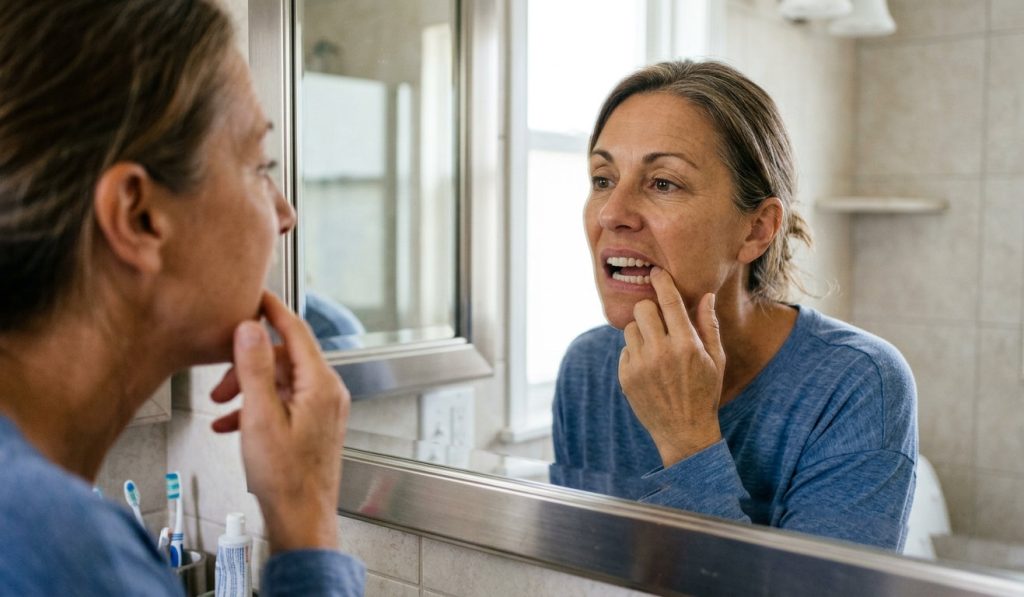
Oral systemic health belongs in this conversation too. Untreated gum inflammation contributes to total inflammatory burden, which can amplify the stress response in a body already navigating insulin resistance.
Everything connects.
What Real Stress Support Looks Like in PCOS/PMOS
Not bubble baths.
Not “just relax.”
Real structure.
Because stress in PCOS/PMOS is physiological. When you support the body, the stress response becomes more manageable.
Stabilize Blood Sugar First
When your blood sugar drops too low, your body releases stress hormones to bring it back up.
Skipped meals, long fasting windows, or carb heavy breakfasts can quietly keep your system on edge.
Start simple:
• Eat within an hour or two of waking
• Include protein and fiber at meals
• Avoid long stretches without food if you feel shaky or irritable
Stable fuel supports a calmer nervous system.
If you feel hangry or wired and shaky, that is not a personality flaw. It is physiology.
Protect Your Sleep Like It Matters
Even one night of poor sleep can increase stress hormones the next day and worsen insulin resistance.
You do not need perfection.
Try:
• A consistent sleep window
• Morning light within 30 minutes of waking
• No doom scrolling before bed
Small sleep shifts can create noticeable stress resilience.
Calm the Nervous System in Small Doses
You do not need an hour long meditation practice.
You need rhythm.
Short resets help signal safety to your nervous system.
• 5 slow breaths before meals
• A 10 minute walk after dinner
• Stepping outside for fresh air mid afternoon
The goal is not silence.
It is regulation.
Lower the Inflammatory Load
Stress and inflammation feed each other.
When inflammatory burden is high, stress feels bigger and recovery feels harder. Support includes:
• Reducing ultra processed foods
• Prioritizing sleep recovery
• Addressing untreated oral inflammation
• Creating white space in your schedule when possible
Lower total inflammation, and the stress response becomes less reactive.
Reduce the Pressure to Be Perfect
This one matters more than most women realize.
Constantly monitoring every symptom, every meal, every fluctuation increases cognitive stress.
Structure helps.
Perfection does not.
Instead of daily panic tracking, try weekly reflection:
What worked this week?
What felt off?
What needs gentle adjustment?
Stress regulation improves when your body feels supported, not judged.
This is the space most women are left to navigate alone.
And it is exactly where structured support makes the difference.
Frequently Asked Questions
Is stress really powerful enough to worsen PCOS/PMOS symptoms?
Yes. Chronic stress influences cortisol, insulin sensitivity, inflammatory signaling, and ovulatory function. It meaningfully impacts symptoms.
If I cannot remove stress from my life, am I stuck?
No. The goal is not elimination. It is regulation. Supporting blood sugar, sleep, and inflammation reduces physiological stress impact.
Does therapy help?
Therapy can be incredibly helpful, especially for emotional stress. Physiological stress regulation may also require metabolic and lifestyle support.
Why does stress trigger cravings?
Elevated stress hormones can increase appetite and influence blood sugar swings, leading to stronger cravings.
How long does it take to improve stress regulation?
Gradual, consistent changes matter more than dramatic shifts. Improvement builds over weeks, not days.
Bottom Line
Stress is not just a feeling in PCOS/PMOS.
It is hormonal.
It is inflammatory.
It is metabolic.
Vague advice is not enough.
Structure is.
When you stabilize blood sugar, protect sleep, reduce inflammatory load, and build nervous system rhythm, stress becomes less disruptive.
I know a stress free life is not possible.
But a supported nervous system is.
And when your nervous system feels supported, your hormones follow. If stress keeps disrupting your energy, cravings, or cycle, it may not be a willpower issue. It may be a regulation issue.
That is exactly where coaching fits.
You do not have to figure this out alone.
Related Posts